
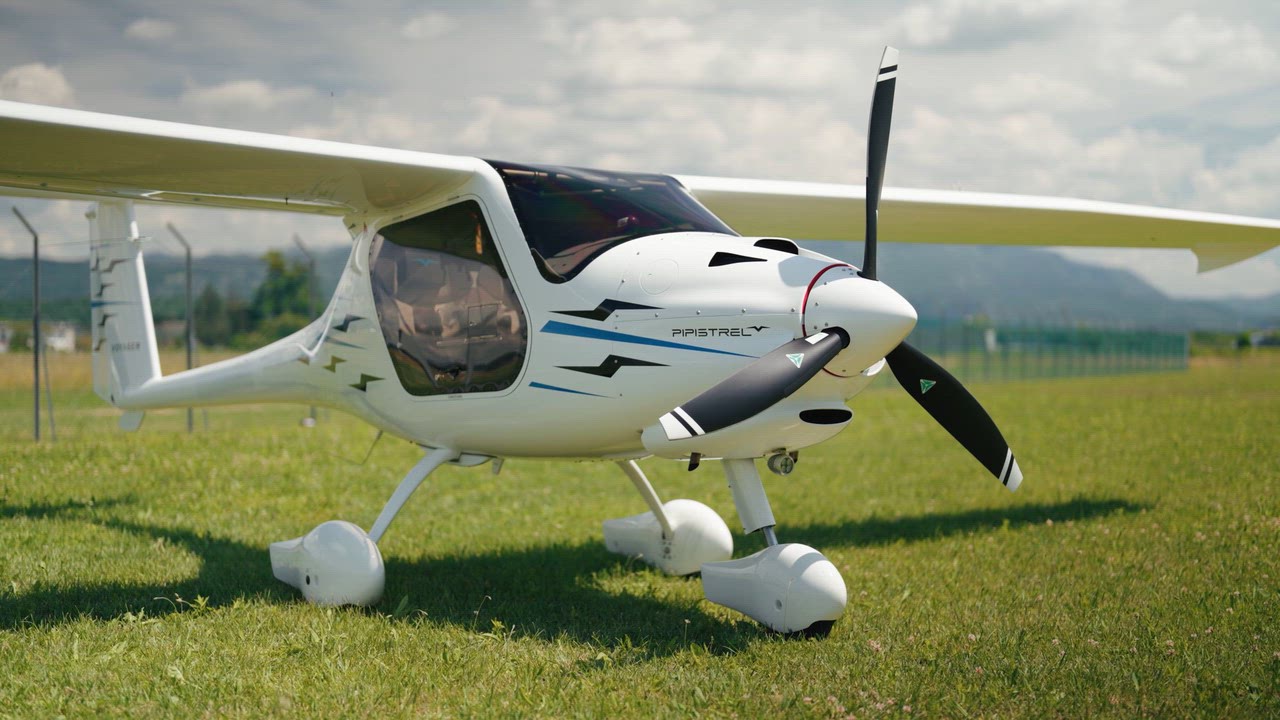
After more than 30 years of flying everything from gliders and general aviation aircraft to military jets and helicopters, Pipistrel test pilot Jožef Kovačič recently had the opportunity to fly the new Pipistrel Voyager. For him, the Voyager stands out for its responsive handling, intuitive design and ability to help pilots build skills and confidence with every flight. But beyond the flying experience, Kovačič sees the aircraft as an example of how flight training is evolving to meet the needs of future pilots and flight schools.
"The pilot controls respond smoothly and instantly," said Jožef Kovačič, Chief Production Test Pilot. "It handles nicely and gives good feedback to the pilot flying it. Combined with excellent visibility and intuitive avionics, the aircraft creates a flying experience that feels natural from takeoff to landing while helping reduce pilot workload.”
He said those characteristics make the Voyager especially well-suited for training. Its forgiving slow-flight and stall characteristics, paired with support features such as an angle-of-attack indicator and audio warnings, help students focus on learning while developing confidence and situational awareness. By reducing pilot workload and supporting skill development, the aircraft helps create a training environment where students can spend more time learning and less time managing the aircraft.
The Voyager is also built with the future of flight training in mind. Designed to align with the Modernization of Special Airworthiness Certification (MOSAIC) regulations, the aircraft offers an increased maximum takeoff weight and extended range capabilities, supporting longer flights and greater operational flexibility for pilots and flight schools. As flight schools evaluate how to prepare students for tomorrow's aviation environment, MOSAIC-aligned aircraft like the Voyager can help provide the flexibility and capability needed to support evolving training requirements.
The Voyager also reflects Pipistrel's continued focus on innovation in flight training. By combining modern avionics, training-focused design and future-ready capabilities, the aircraft is designed to support both student success and the operational needs of flight schools.
While those capabilities help support training effectiveness, operational flexibility and future readiness, Jožef said the real value of the Voyager is how those benefits come together in the cockpit.
"Most of all, it's not just numbers and performance, it is how you feel when you are inside the cockpit," Kovačič said. "And I can assure you, when I was flying it, I really had a smile on my face."
For student pilots and flight schools alike, the Pipistrel Voyager delivers more than a modern training platform. Its combination of intuitive handling, MOSAIC-aligned capability and training-focused design helps support pilot development while providing operational flexibility for flight schools. It helps make every lesson feel approachable, every flight more rewarding and every pilot one step closer to the confidence that keeps them coming back to the cockpit.